Is virtual staging legal? What agents should know about disclosure
Short answer: yes, virtual staging is legal and widely used in US real estate. The rules are about not misleading buyers. This is a general overview, not legal advice; your MLS, brokerage and state have the final word.
The principle: don’t misrepresent the property
Real estate advertising rules, including the National Association of REALTORS® Code of Ethics for members, require agents to present a true picture in their advertising. Adding furniture to show how a room could be used is generally treated as illustration. Changing the property itself, by hiding damage, adding windows, replacing a dated floor, or removing a power line from the view, is where staging becomes misrepresentation.
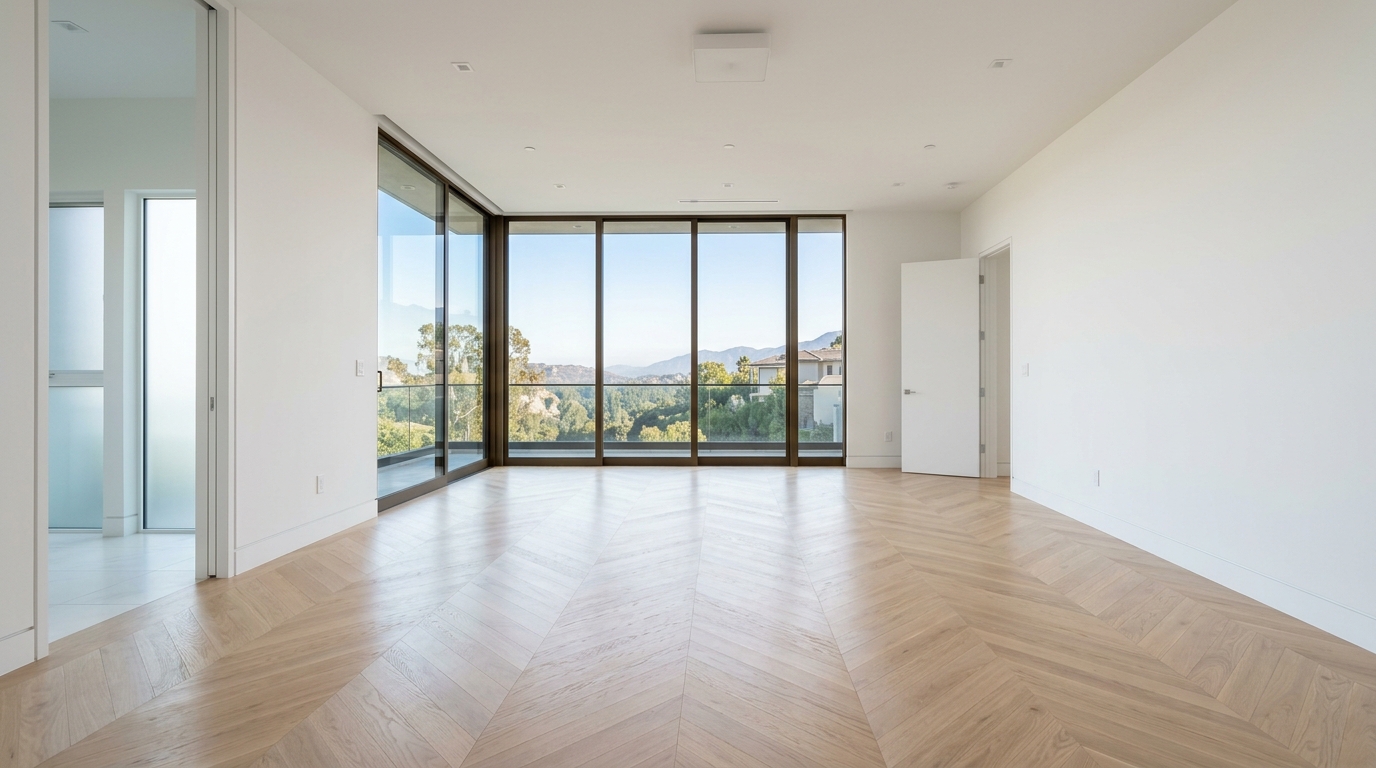
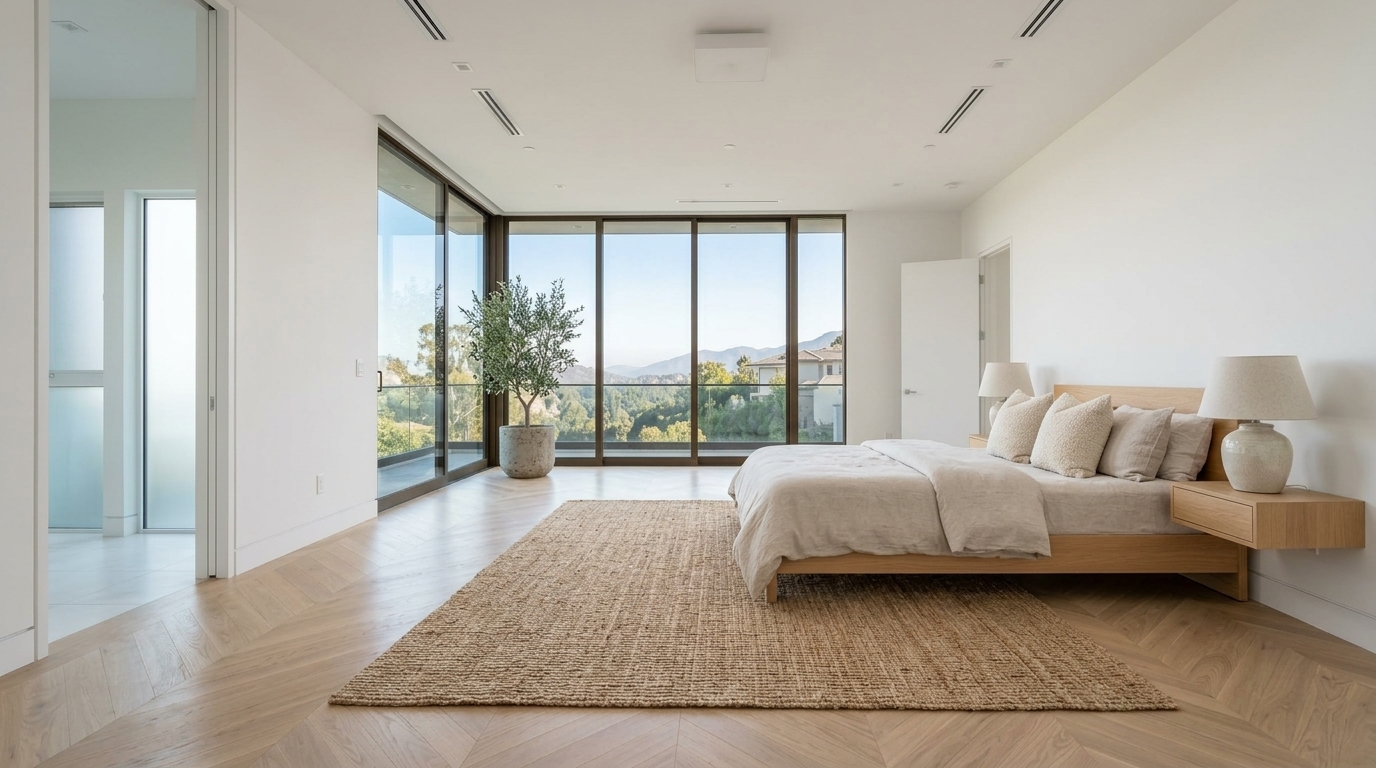
Studio examples, not a client listing.
What MLS rules commonly require
Each MLS sets its own rules, and they change. Common requirements include:
- A clear label such as “virtually staged” on the photo or in its caption.
- Including the unstaged original photo in the listing alongside the staged version.
- A note in the public remarks that some photos are virtually staged.
- No alteration of permanent features: walls, windows, floors, fixtures, views or exterior conditions.
Read your own MLS’s photo or media rules before you publish. Many MLSs can fine members for photo rule violations, and the listing agent is usually responsible regardless of who edited the image.
State laws are starting to address it
Some states have moved beyond MLS policy. California’s AB 723 (Business and Professions Code §10140.8), in effect since January 1, 2026, requires licensees who use a digitally altered image in advertising for a sale to put a reasonably conspicuous statement on or next to the image saying it was altered, with a link, URL or QR code to the original unaltered image. On websites the agent controls, the unaltered image must be included or linked. Basic adjustments such as lighting, exposure, color correction and cropping are generally not treated as alterations; virtual staging and adding or removing furniture are. Other states may follow. If you list in more than one state, check each one, and ask your broker if you are unsure.
A safe practice for every listing
- Only add furniture and décor. Don’t change the structure, finishes or view.
- Label every staged photo the way your MLS asks.
- Include the original photo next to the staged one.
- Mention virtual staging in the listing remarks.
- Keep the originals on file in case anyone asks.
What about decluttering and twilight edits?
Removing a seller’s belongings from a photo is an alteration too, and in California it needs the same disclosure as staging. Don’t remove anything that conveys with the property or that a buyer should know about. Day-to-twilight edits of exteriors are common, but they change how the image looks, so label them as well, and keep the house, landscaping and surroundings as they are. When in doubt, label it.


Studio examples, not a client listing.
Where RoomGenix fits
RoomGenix is built to add furniture and keep walls, windows and floors as shot, which helps with the “don’t alter permanent features” rule. It does not stamp a label on the file and it is not an MLS approval, so labeling is still your step. Our MLS photo rules page is a short reminder you can share with your team.
Questions
Is virtual staging legal?
Yes. It is legal and widely used, as long as the photos don’t misrepresent the property and you follow your MLS and state disclosure rules.
Do I have to disclose virtual staging?
Many MLSs require a label and the unstaged original. In California, AB 723 has required a disclosure next to the image and access to the unaltered original since January 1, 2026.
What edits are not allowed?
Generally anything that changes permanent features or hides defects: walls, windows, floors, fixtures, views or damage.
Is this legal advice?
No. It is a general overview. Check your MLS rules, your brokerage and your state law.